Russian missile attacks on Kyiv expose weakness in Ukraine's air defense
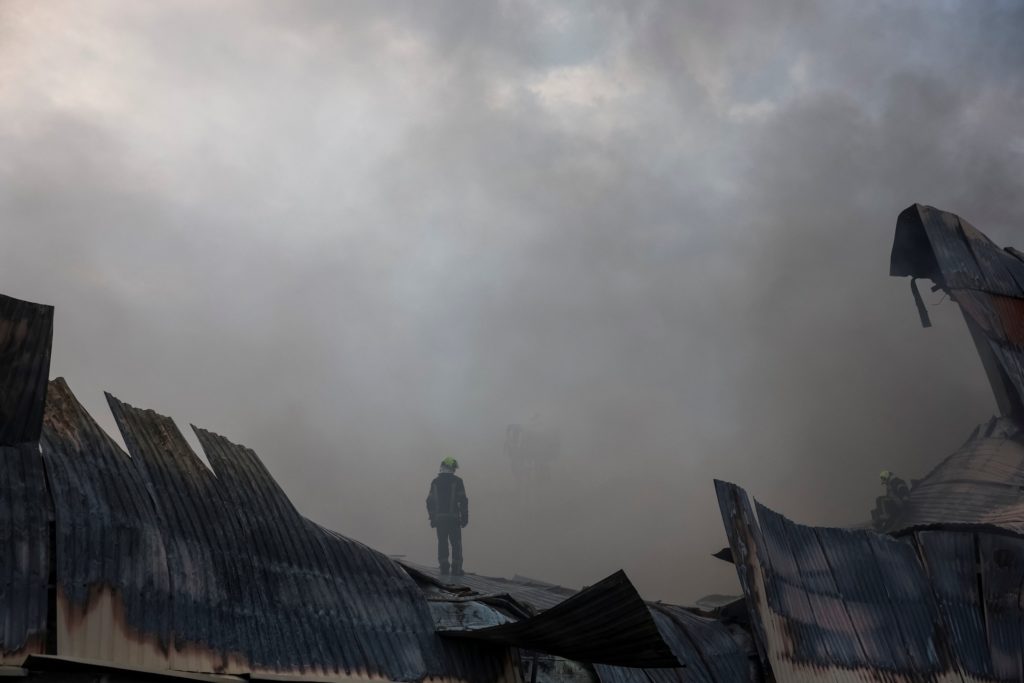
The pattern of missile strikes that has unfolded over the past months is a stark reminder that Ukraine’s air defense system remains a critical vulnerability. When a single, well‑coordinated attack can kill nearly two dozen civilians overnight, it is hard to ignore the message that Moscow is deliberately targeting gaps in Kyiv’s protective shield. The fact that such attacks have become “almost routine” this summer is not a coincidence; it is a calculated strategy that hinges on the observation that Ukraine’s air defense network is not yet capable of intercepting the volume and variety of threats it faces.
Ukraine’s current air defense architecture is a patchwork of legacy Soviet equipment, hastily integrated modern systems, and a limited number of U.S.-made interceptors. While the U.S. has supplied Patriot batteries and other assets, the sheer scale of the Russian missile campaign—ranging from short‑range ballistic missiles to cruise missiles—exceeds what the existing inventory can realistically counter. The rapid deployment of new missile types, coupled with the sheer number of launch sites, overwhelms a defense network that is still in the process of being upgraded and integrated.
Moreover, the psychological impact of these attacks cannot be overstated. When civilians see their cities repeatedly struck from the sky, confidence in the state’s ability to protect them erodes. This erosion of trust can undermine morale, disrupt economic activity, and create a climate in which the government’s legitimacy is questioned. In a conflict where information and perception are as potent as artillery, a demonstrable weakness in air defense can be as damaging as a physical loss of territory.
Critics might argue that Ukraine’s air defense is not entirely ineffective, citing successful interceptions of certain missile types or the resilience of its civil defense infrastructure. They may also point to the fact that Russia’s strategic calculus involves more than just exploiting air defense gaps; it includes political, economic, and psychological objectives. While these points hold some truth, they do not negate the fact that the current defensive posture is insufficient to deter or neutralize the scale of the threat. Even a few successful interceptions cannot compensate for the systemic inability to prevent the majority of incoming missiles.
The solution, therefore, is not merely to add more interceptors or to upgrade existing systems in isolation. It requires a comprehensive, coordinated approach that includes intelligence sharing, rapid deployment of mobile air defense units, and the integration of new technologies such as directed‑energy weapons and advanced radar systems. International partners must recognize that the stakes are high: a failure to address this weakness could allow Russia to continue its campaign with minimal risk of retaliation, potentially altering the balance of power in the region.
In sum, the repeated missile strikes on Kyiv are not incidental; they are a deliberate exploitation of a clear and present weakness in Ukraine’s air defense. Acknowledging this reality is the first step toward a strategic response that can restore confidence, protect civilians, and preserve the sovereignty of the nation.
This piece is written in response to — and offers an alternative point of view to — Russian missile attacks on Kyiv expose weakness in Ukraine's air defense, by Stephanie Sy, writing for PBS NewsHour.